Best Hot Tubs for Alberta's Cold Climate: 2025 Model Rankings
Not every hot tub survives an Alberta winter. We break down exactly what cold-weather specs matter, which insulation systems work, and which Coast Spas models perform best when temperatures drop to -30°C.
An Alberta winter will expose every weakness in a cheap hot tub. Cracked pipes, sky-high electricity bills, and failed cabinets are the predictable results of buying a spa that wasn't built for Canadian weather. Here's how to choose right.
The Three Cold-Weather Specs That Actually Matter
1. Insulation System
There are two systems on the market: full-foam and perimeter foam. Full-foam fills the entire cabinet cavity with expanding polyurethane foam, trapping heat and eliminating cold air pockets. Perimeter foam lines only the cabinet walls, leaving the equipment bay exposed. In a -30°C Alberta night, the difference can be $120+ per month on your electricity bill.
Always ask: "Is this full-foam construction?" A vague answer ("high-density insulation") almost always means perimeter foam.
2. Freeze Protection
A freeze protection system automatically runs the circulation pump when the ambient temperature drops near 0°C — even during brief power outages. Without it, a power blip at -20°C can split a pipe in minutes. Coast Spas includes automatic freeze protection on all models. Confirm this feature exists before any purchase.
3. Heating System Efficiency
Look for titanium heaters, which resist scale and corrosion from Alberta's hard water far better than stainless alternatives. Pair this with a programmable filtration cycle (run during off-peak electricity hours, usually 9pm–7am) to minimize operating costs.
Top Models for Alberta Winters
Best Compact Model: Omega Bench (Patio Series)
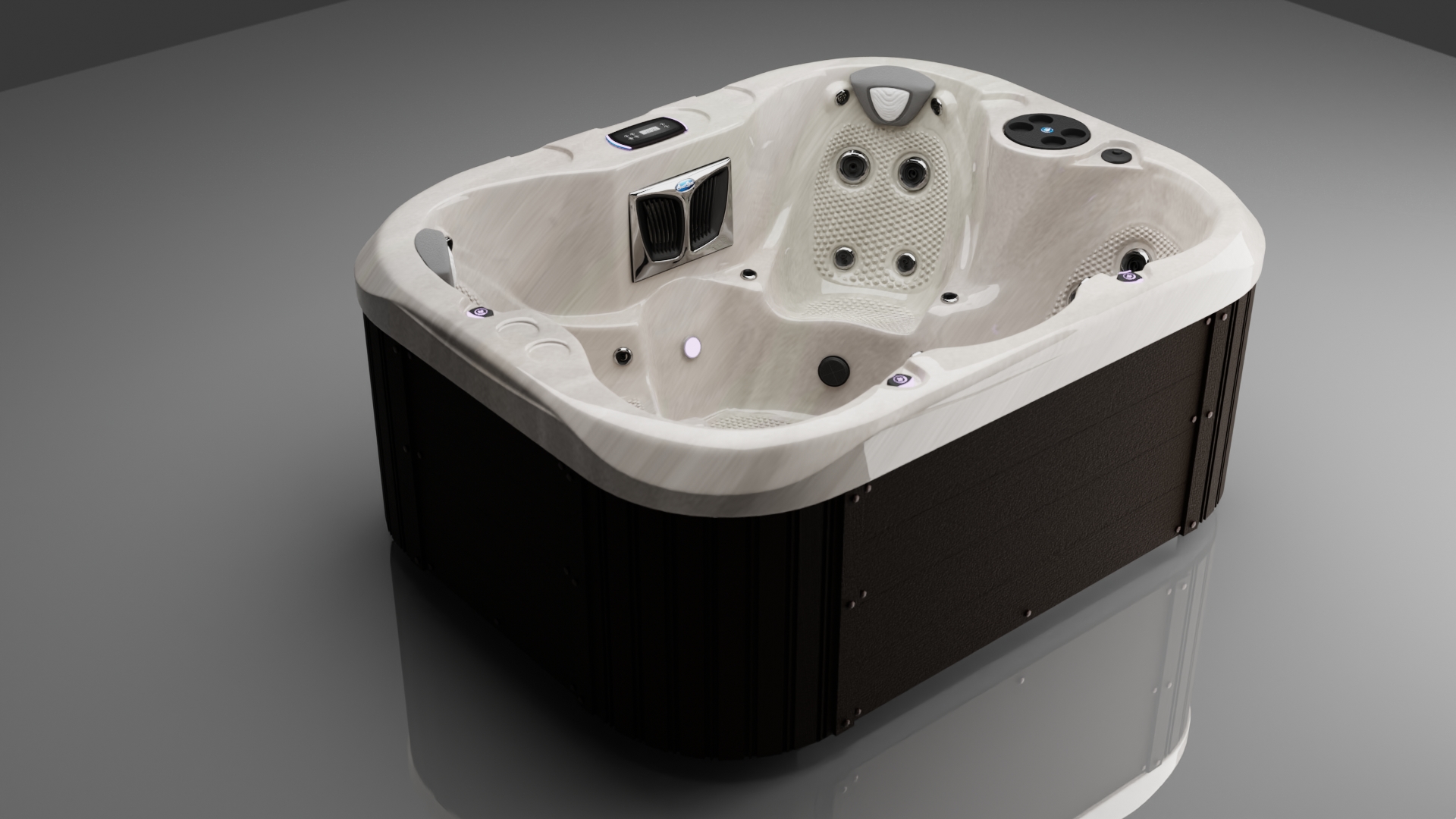
72" × 60" footprint makes it ideal for smaller decks and side yards. Full-foam insulated, EcoSmart heating, 12 precision jets. Estimated monthly operating cost in an Alberta winter: $55–$65.
Best Family Model: Element Bench (Classic Series)
6-person bench seating, 45 jets, generous footwell depth. The most popular family hot tub choice in Alberta for six consecutive years. Winter operating cost: $65–$80/month.
Best for Entertaining: Apex Lounge
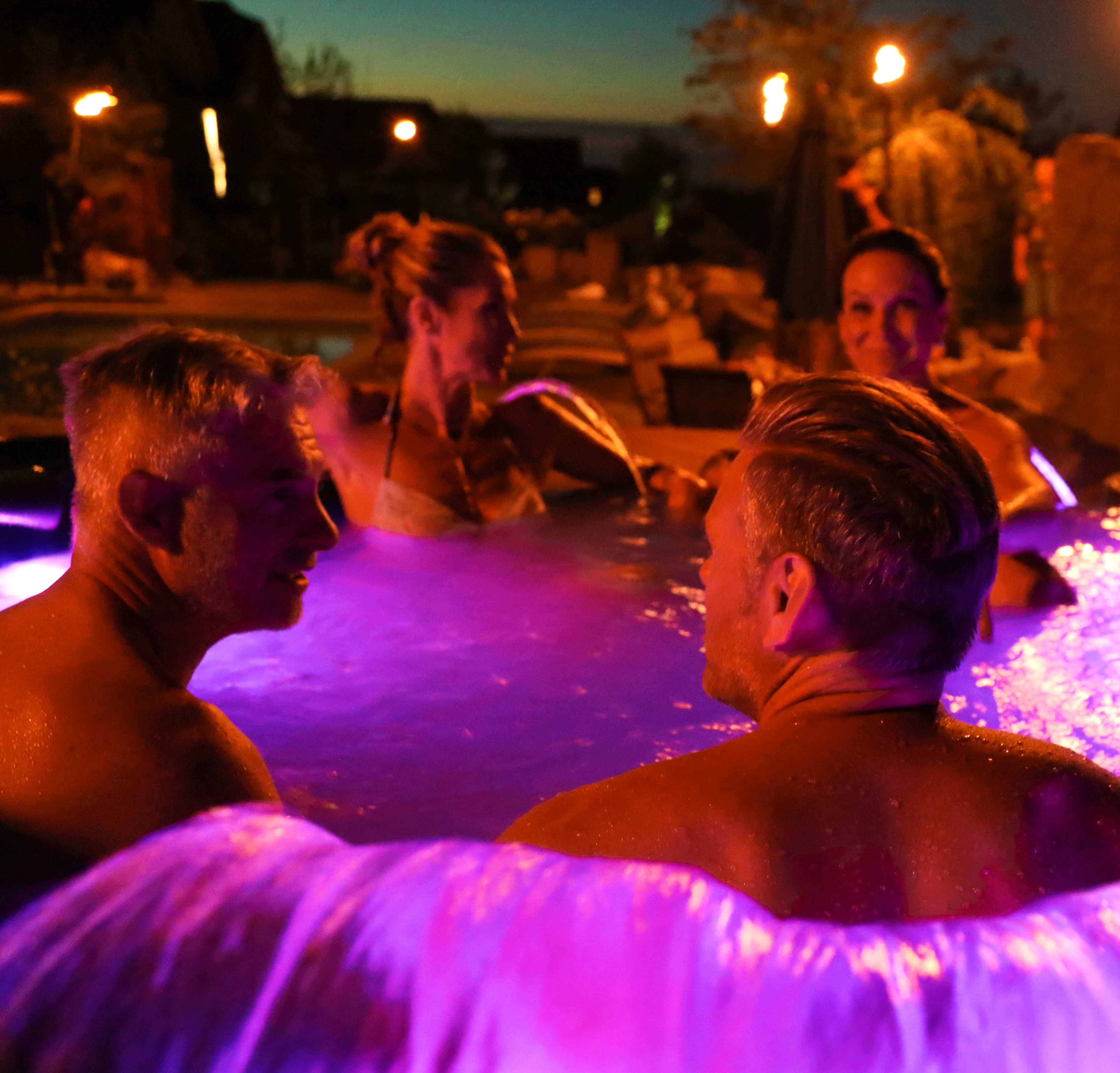
7 seats, 68 jets, corner lounge seat, entertainment bar. Built for the outdoor living lifestyle that Albertans expect. Winter operating cost: $80–$100/month.
Best Flagship: Purfikt
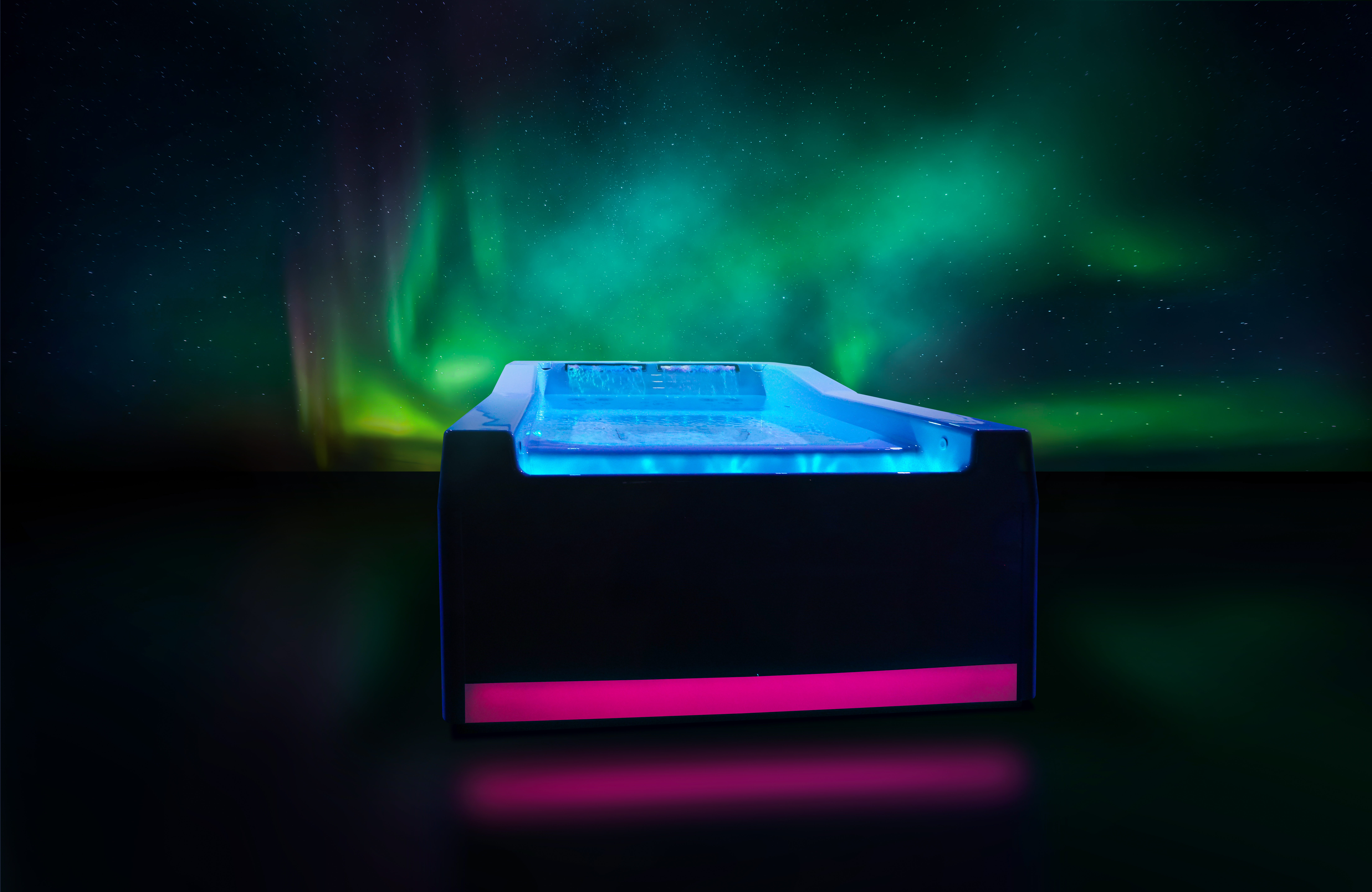
The infinity-edge showpiece. 90 jets, ChromaZone lighting, integrated audio. Despite its size, the Purfikt's insulation system is so efficient it maintains set temperature through -40°C nights. Winter operating cost: $90–$115/month.
What to Avoid
- Any spa without explicit full-foam construction documentation
- Brands without an authorized service depot within 2 hours of your home
- Liquidation-sale or floor-model spas without active warranty transfer
- Spas with acrylic shells thinner than 5mm (they crack in freeze-thaw cycles)
FAQ: Cold-Weather Hot Tubs
How cold is too cold for a hot tub?
For a properly built spa, there is no "too cold." Coast Spas models are rated and tested for continuous operation at -40°C. The concern is not the air temperature — it's whether the spa is properly insulated, freeze-protected, and maintained with water in it year-round.
Should I cover my hot tub when it's not in use in winter?
Always. A high-density thermal cover is essential for any hot tub, but especially in Alberta winters. A quality cover reduces heat loss by 50–70% when the spa is not in use. Replace covers that have absorbed water or show sagging — a waterlogged cover actually draws heat out of the spa.
Ready to Start?
Configure Your Perfect Spa
Choose your model, shell, cabinet, and lighting — then our Western Canada team handles the rest.